

The Entryway Challenge: Why an Organized Hall Tree Bench is Essential
The entryway of your home tells a story. Unfortunately, for many households, that story involves scattered shoes, coats dropped on the floor, and bags piled up in corners. This common struggle creates more than just visual chaos—it affects your daily routine in tangible ways.
Without proper organization, mornings become frantic searches for keys and bags. Children’s backpacks end up underfoot, creating tripping hazards. Guests are greeted by clutter instead of warmth. The problem is both practical and aesthetic, turning what should be a welcoming transition into your home into a source of daily frustration.
This is where a thoughtfully designed hall tree coat rack bench becomes transformative. These multifunctional pieces solve entryway challenges by combining three essential elements:
- A comfortable bench for putting on and removing shoes
- Strategic hooks and hanging space for coats and bags
- Specialized storage for seasonal accessories and everyday essentials
Beyond mere organization, the right hall tree bench enhances your home’s first impression. It creates a designated landing zone that communicates intention and care. The transformation potential is remarkable—turning chaotic dumping grounds into orderly, functional spaces that set the tone for your entire home.
Most standard entryways measure between 3-6 feet wide, making traditional storage solutions insufficient or overwhelming. Hall tree benches are specifically designed to maximize vertical space while maintaining a modest footprint, making them ideal even for organizing small entryways with benches.
Whether you’re dealing with morning rushes, afterschool chaos, or frequent guests, a well-chosen hall tree bench doesn’t just store your belongings—it fundamentally changes how you experience coming home.
Essential Organizational Features: What Makes a Hall Tree Bench Functional
Before diving into specific styles, it’s important to understand the key features that make an entryway hall tree truly functional. The best designs balance aesthetic appeal with practical organization that addresses real household needs.
Strategic Shoe Storage Solutions
Effective shoe management is perhaps the most noticeable benefit of a well-designed hall tree bench. Different configurations offer distinct advantages:
- Open shelving: Provides easy access and visibility, typically accommodating 4-6 pairs per shelf. Ideal for frequently worn shoes that need air circulation.
- Cubbies: Create dedicated spaces for individual family members, preventing shoe mix-ups and making morning routines smoother.
- Hidden storage: Lift-top benches conceal shoes completely, creating a cleaner appearance perfect for more formal entryways.
- Tiered designs: Maximize vertical space by staggering shoe placement, nearly doubling capacity in the same footprint.
The right shoe storage bench choice depends largely on your household size and habits. Families with children might benefit from low, accessible cubbies that encourage self-sufficiency, while adults might prefer the cleaner aesthetic of hidden storage.
Materials matter significantly for shoe storage areas. Metal grates or slatted wood designs allow dirt and moisture to fall through rather than accumulate, while removable trays make cleaning simpler during seasonal transitions.
Effective Coat and Accessory Management
The vertical elements of a hall tree transform organization possibilities through strategic hanging space:
- Single hook rows: Clean, minimal approach that works well for adults or taller users
- Double-tiered hooks: Allow both adult and child access without overcrowding
- Adjustable hook systems: Provide flexibility as family needs change
- Panel-mounted designs: Distribute weight more evenly for heavier winter coats
When evaluating bench hooks and storage options, consider both placement and capacity. Standard adult coat hooks work best at 60-72 inches from the floor, while children’s hooks should be positioned at 30-48 inches for independent use.
Weight capacity varies significantly between designs. Cast metal hooks typically support 10-15 pounds per hook, making them suitable for heavy winter coats, while decorative wood pegs might be limited to 5-8 pounds, better for lightweight jackets and accessories.
Smart Solutions for Smaller Items
The most frustrating entryway clutter often comes from the smallest items—keys, mail, gloves, and accessories that lack a designated home:
- Mail slots: Prevent important documents from getting lost in the shuffle
- Key hooks: Position at eye level for visibility and habit formation
- Small drawers: Contain gloves, hats, and other seasonal accessories
- Open compartments: Store grab-and-go items like sunglasses and dog leashes
- Mirror integration: Combines functional checking before leaving with space efficiency
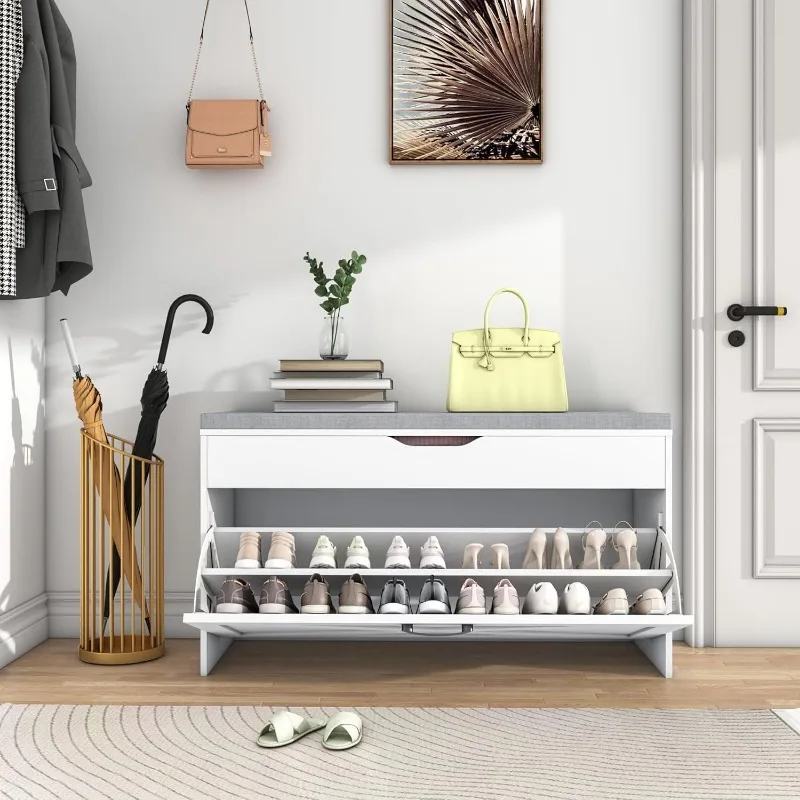
Creating designated spaces for these small but crucial items transforms daily routines. When implementing space-saving entryway ideas, consider using small containers within drawers to further organize tiny items, preventing the “junk drawer” effect even in compact spaces.
The ideal depth for small-item storage compartments is 4-6 inches—deep enough to be useful without creating dark corners where items get lost. Transparent or open front containers maintain visibility while providing containment.
Bench Seating Considerations
While storage often takes center stage, the bench itself deserves careful consideration:
- Height: Standard bench heights range from 16-18 inches—similar to dining chairs—providing comfortable seating for most adults.
- Depth: A depth of 12-15 inches offers enough support while remaining space-efficient.
- Weight capacity: Look for benches rated for at least 250 pounds for durability in daily use.
- Surface materials: Consider whether upholstered comfort or easy-clean surfaces better suit your household.
Finding the perfect entryway bench height creates a comfortable transition point for removing shoes while supporting good posture. This seemingly small detail significantly impacts daily usability.
Weight capacity becomes particularly important for households with multiple users or where the bench might serve as overflow seating during gatherings. Solid wood construction typically offers the highest weight tolerance, while metal frames with wood seats balance strength with a lighter visual footprint.
Farmhouse & Rustic Hall Tree Benches: Warm Welcome with Practical Storage
Farmhouse and rustic hall tree benches have surged in popularity, bringing warmth and authentic character to entryways while delivering robust organization. These pieces feature natural materials, weathered finishes, and design elements that feel simultaneously timeless and lived-in.
The distinctive visual elements of this style include:
- Reclaimed or distressed wood with visible grain and character
- Wrought iron or black metal hardware with an aged appearance
- X-frame or barn door-inspired details
- Natural or whitewashed finishes that highlight wood texture
- Beadboard backing that references traditional country homes
What makes farmhouse entryway benches particularly effective for organization is their practical, no-nonsense approach to storage. These designs typically feature substantial hooks that can handle heavy coats, open cubbies that make shoes immediately visible, and bench seating with lift-top storage for seasonal items.
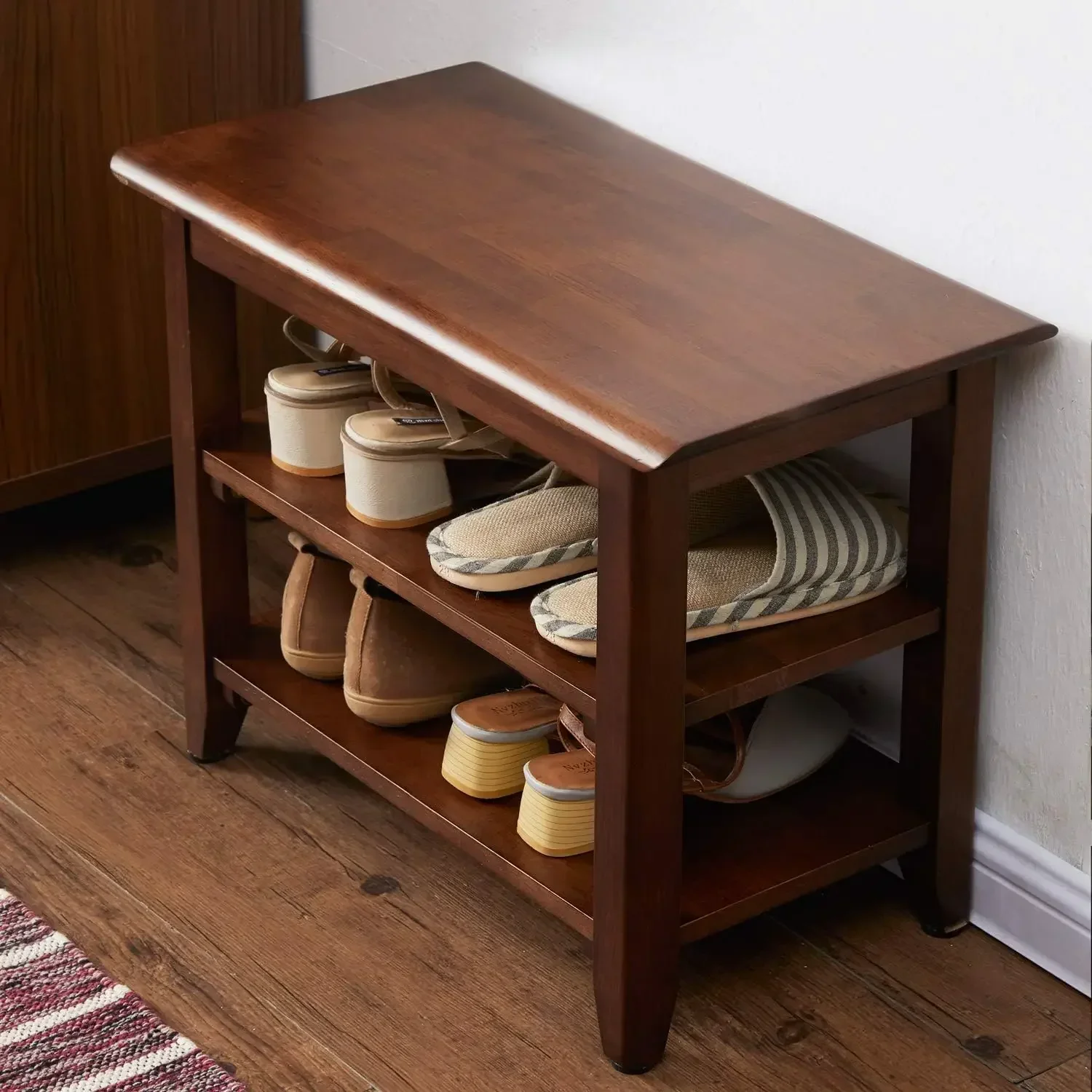
Materials common to this style include pine, oak, and maple, often with intentional distressing that makes them family-friendly—minor additional wear blends with the intended aesthetic rather than appearing as damage. This practical advantage makes farmhouse styles particularly well-suited for active households and mudroom bench applications where durability matters.
The warmth of these designs comes not just from materials but from their inherent welcome. Unlike more formal or minimalist styles, farmhouse hall trees invite use and embrace the evidence of family life, making them perfect for households that want organization without pristine perfection.
Modern & Contemporary Hall Tree Benches: Sleek Organization
In contrast to rustic warmth, modern and contemporary hall tree benches offer sleek, streamlined organization for those who prefer a more minimalist aesthetic. These designs are characterized by clean lines, geometric forms, and an emphasis on function without decorative flourish.
The hallmarks of modern entryway bench designs include:
- Straight lines with minimal ornamentation
- Strategic mixing of materials (metal with wood, glass with concrete)
- Monochromatic or limited color palettes
- Hidden storage mechanisms like push-to-open drawers
- Floating or cantilevered elements that create visual lightness
Modern hall trees approach organization differently than their traditional counterparts. Rather than displaying storage capabilities, they often conceal them behind flush panels or integrate them so seamlessly they become invisible. Hooks might retract when not in use, shoes might disappear into drawers, and bench storage often features hydraulic lifts for effortless access.
These designs excel in smaller spaces, where their clean lines and often wall-mounted components maximize floor visibility—a key principle in making compact areas feel more spacious. Many modern bench styles for small spaces feature modular components that can be configured to exact spatial requirements.
Materials typically include engineered wood with matte finishes, powder-coated steel in black or brushed nickel, tempered glass panels, and occasionally concrete accents. These materials create a sophisticated palette that complements contemporary home interiors while offering excellent durability.
Hardware is minimized or completely concealed in these designs, with magnetic closures, integrated pulls, or push-to-open mechanisms maintaining the clean aesthetic. This attention to detail creates a calm, organized appearance that contributes to a sense of order from the moment you enter the home.
Industrial Hall Tree Benches: Rugged Functionality
Industrial style hall tree benches bring workshop-inspired durability and raw materials into the home, creating organization systems that handle heavy use while making a bold visual statement. This style celebrates utility with an unapologetic approach to materials and construction.
Key visual elements of industrial hall trees include:
- Exposed metal frameworks with visible connections
- Pipe-style hooks and fixtures with industrial finishes
- Reclaimed or rough-hewn wood surfaces
- Visible hardware like bolts, rivets, and brackets
- Metal mesh or perforated steel components
Industrial designs excel at heavy-duty organization. Their pipe-style hooks can support substantial weight, making them ideal for households with heavy winter gear. The open construction typical of this style promotes airflow around damp shoes and coats, preventing mustiness and accelerating drying time for wet items.
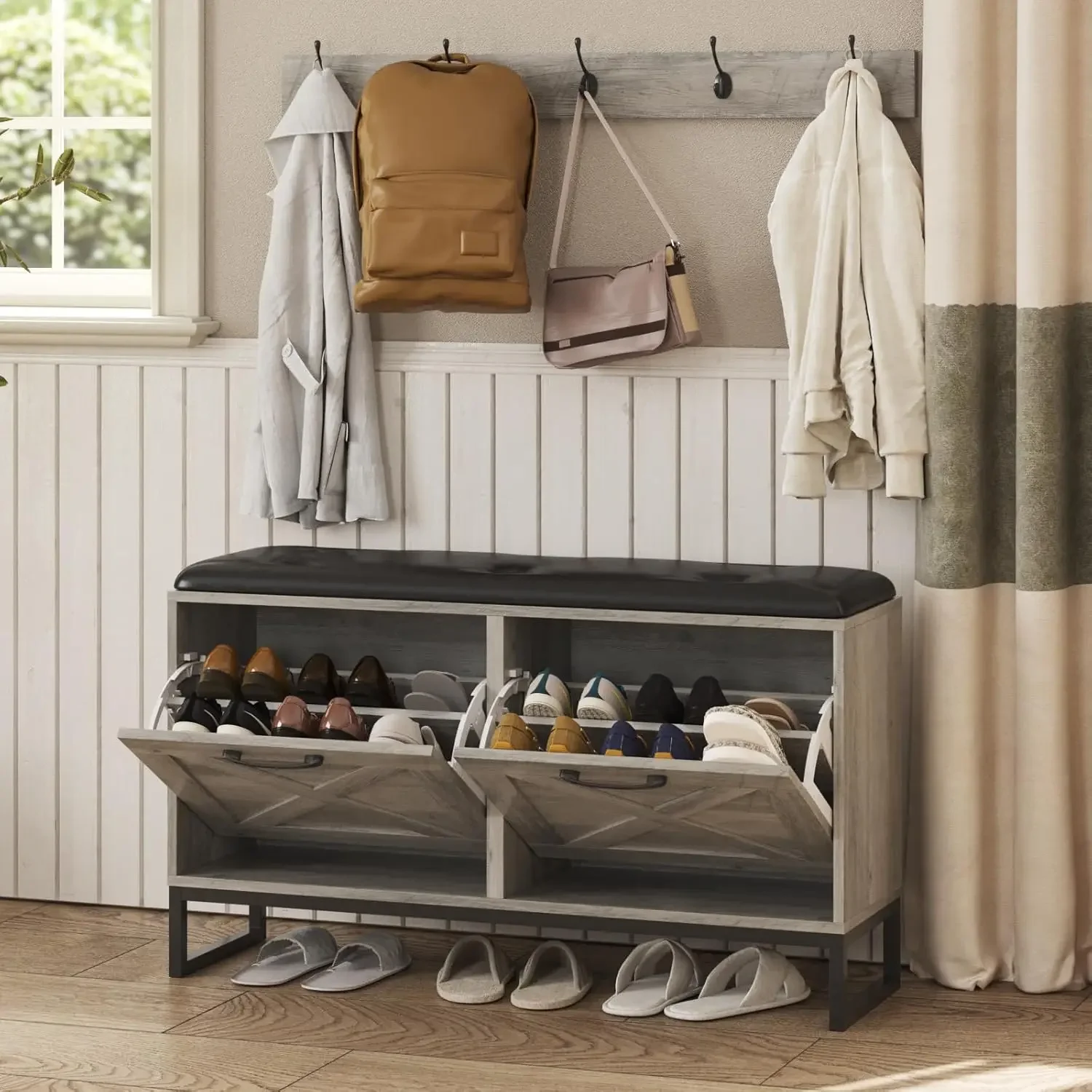
Most entryway coat rack bench pieces in this style feature cast iron, steel, or aluminum frameworks paired with wood elements. These robust materials translate to exceptional weight capacities—often supporting 350-500 pounds on the bench surface and 15-20 pounds per hook.
The practical benefits of industrial hall trees extend to maintenance. Their materials typically resist scratches and dents, developing character over time rather than looking damaged. Spills wipe clean from metal surfaces, and the style’s intentional ruggedness means that signs of use enhance rather than detract from its appearance.
This style works particularly well in loft apartments, homes with existing architectural elements like exposed brick or ductwork, and spaces where durability needs exceed aesthetic concerns. Their bold appearance makes them natural focal points while their functionality handles even the most demanding organizational needs.
Traditional & Classic Hall Tree Benches: Refined Organization
Traditional and classic hall tree benches bring timeless elegance to entryway organization, with designs inspired by historical furniture periods. These pieces feature rich finishes, thoughtful proportions, and detailed craftsmanship that elevate practical storage to an art form.
Distinctive visual elements of traditional style include:
- Raised panel construction with elegant molding details
- Turned legs or ball-and-claw feet for refined support
- Rich wood tones like cherry, walnut, or mahogany
- Quality hardware with antique brass or oil-rubbed bronze finishes
- Symmetrical, balanced proportions throughout the design
Traditional hall trees approach organization with equal attention to function and appearance. They typically offer a balanced mix of open and closed storage—showcasing attractive items while concealing utilitarian ones. Hooks are often more decorative yet still sturdy, and bench seating frequently features subtle cushioning for enhanced comfort.
These pieces excel in formal entryways or homes with heritage architectural elements. Their refined appearance creates a sophisticated welcome while still addressing practical organizational needs. Even best small benches for entryways in traditional styles maintain these elegant characteristics while adapting to compact dimensions.
Materials for traditional hall trees typically include solid hardwoods or high-quality veneers over engineered cores, providing stability and resistance to warping. Finishes tend toward rich stains that highlight wood grain, sometimes with gentle distressing that suggests heirloom quality.
Hardware choices significantly impact the traditional aesthetic. Bail pulls, ring pulls, or knobs with intricate details reinforce the refined appearance, while hidden European hinges allow doors to operate smoothly without disrupting clean lines.
The enduring appeal of traditional hall trees lies in their ability to organize without appearing utilitarian. They bring the grace of fine furniture to functional storage, creating entryways that feel intentionally designed rather than merely practical.
Minimalist Hall Tree Benches: Simplified Storage
For those who believe less is more, minimalist hall tree benches offer essential organization stripped down to pure necessity. These designs eliminate everything superfluous, creating clean, uncluttered entryways focused on function without visual noise.
The defining characteristics of minimalist hall trees include:
- Absence of ornamentation or decorative details
- Limited material palette—often just one or two materials throughout
- Hidden joinery with seamless connections
- Essential functions only—typically fewer hooks and storage options
- Neutral colors that recede visually rather than demanding attention
Minimalist designs take a “just enough” approach to organization. Rather than maximizing storage capacity, they carefully calculate the minimum needed for daily function. This might mean four hooks instead of eight, a simple bench without under-storage, and perhaps a single shelf rather than multiple compartments.
These streamlined pieces work exceptionally well in smaller spaces where visual clutter would feel overwhelming. Their simplified forms occupy less visual space, making them ideal narrow entryway bench solutions for compact urban homes or apartments.
Materials for minimalist hall trees typically include light-toned woods like ash, maple, or bamboo, sometimes paired with white or black metal components. Finishes tend toward matte rather than glossy, further reducing visual stimulation and creating a calm backdrop for daily activities.
The key advantage of minimalist hall trees is their ability to impose order through their very presence. Their clean lines and absence of decoration make them natural organizing influences—items look out of place when not properly stored, encouraging household members to maintain the intended simplicity.
Coastal & Bohemian Hall Tree Benches: Relaxed Organization
For homes that prioritize a laid-back, welcoming atmosphere, coastal and bohemian hall tree benches bring relaxed organization with natural textures and airy designs. These styles emphasize comfort and accessibility while incorporating elements that reference casual, creative lifestyles.
Distinctive features of these relaxed styles include:
- Light, weathered wood finishes reminiscent of driftwood or sun-bleached materials
- Natural fiber elements like rattan, seagrass, or woven details
- Open, airy construction that feels unconfined
- Soft, textural elements like cushions and woven baskets
- Casual, asymmetrical arrangements that feel collected rather than perfectly matched
Coastal and bohemian hall trees approach organization differently than more structured styles. They often incorporate basket storage rather than rigid compartments, allowing for flexible use while adding textural interest. Hooks might be mismatched or uniquely placed, and bench seating typically includes cushioning with removable, washable covers.
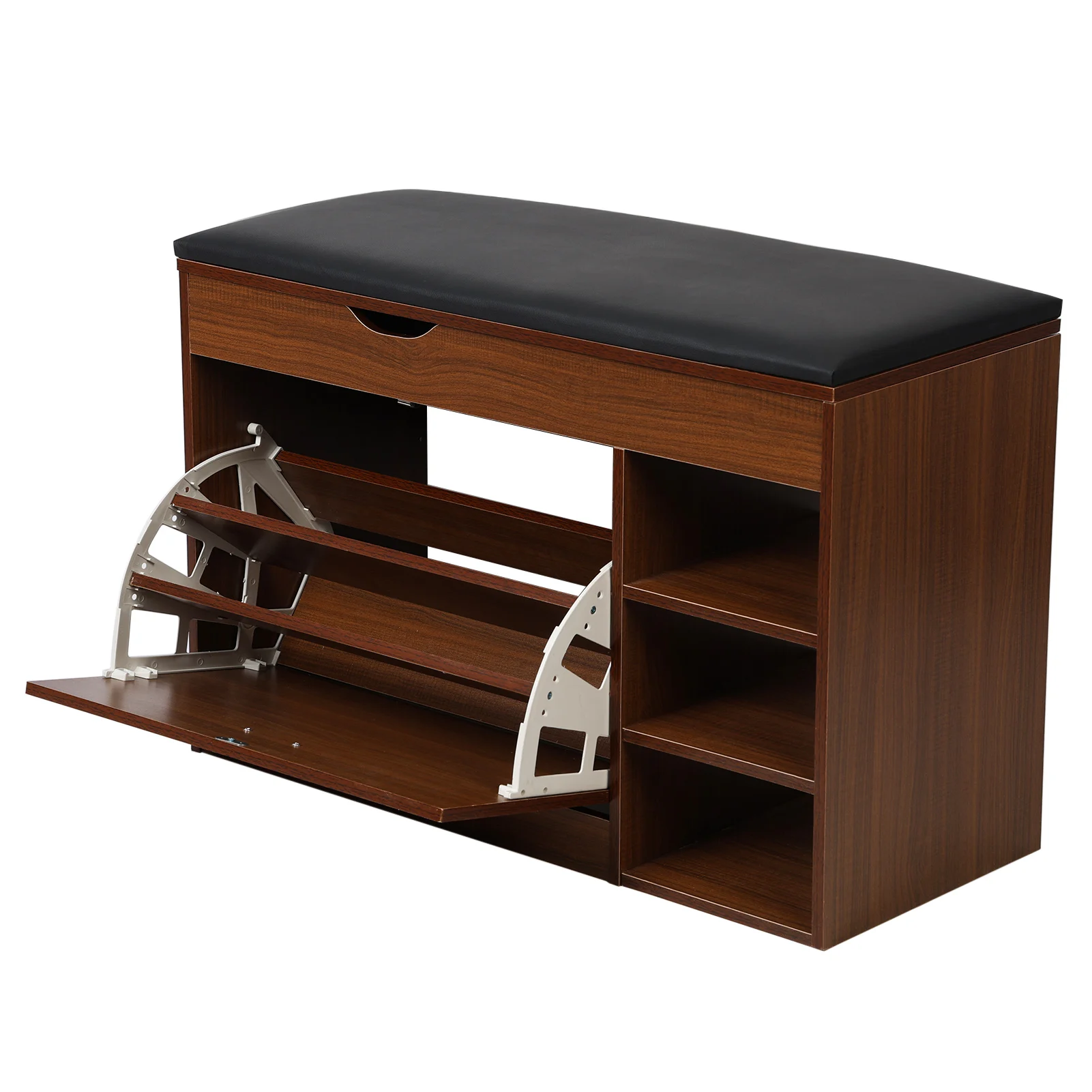
The entryway bench cushion becomes a particularly important element in these designs, often featuring textiles with subtle patterns, natural fibers, or faded colors that enhance the relaxed aesthetic while providing comfortable seating. These cushions frequently have removable, washable covers that accommodate the realities of beach sand, garden dirt, or creative projects.
Materials common to these styles include whitewashed or natural woods, rattan, bamboo, and other sustainable materials that reference natural environments. Hardware is often minimal or replaced with alternatives like leather pulls, rope ties, or decorative knobs that add character.
The beauty of coastal and bohemian hall trees lies in their adaptability. Their relaxed organization systems accommodate changing needs without rigid constraints, making them particularly well-suited for creative households, families with young children, or homes that prioritize comfort over formal structure.
Selecting Your Ideal Hall Tree Bench: Practical Considerations
Beyond style preferences, several practical factors should guide your hall tree bench selection to ensure it serves your household effectively for years to come.
Analyzing Your Space Dimensions
Before falling in love with any hall tree design, accurate space measurement is essential. Standard hall trees typically range from 60-72 inches tall, 24-48 inches wide, and 15-18 inches deep. However, variations exist for specific situations:
- Standard doorway clearance: Allow at least 36 inches of clear space in front of your hall tree for comfortable movement
- Ceiling height considerations: For homes with standard 8-foot ceilings, hall trees under 72 inches tall prevent a crowded feeling
- Narrow entryways: Look for depths of 12-15 inches to maintain good traffic flow
- Corner placement: Specialized corner hall tree units optimize awkward spaces by using triangular footprints
For particularly challenging spaces, maximizing small spaces with smart entryway benches becomes crucial. Consider wall-mounted components that offer organization without floor footprints, or modular pieces that can be configured to unusual dimensions.
When measuring, account not just for the physical dimensions of the furniture but for the space needed to use it comfortably. Allow at least 24 inches of bench clearance for someone to sit and put on shoes, and ensure coat hooks have enough clearance that items don’t crowd doorways or stairs.
Evaluating Your Storage Requirements
A thoughtful assessment of your household’s specific storage needs will prevent investing in a beautiful piece that fails to solve your organizational challenges:
- Hook requirements: Calculate based on household size plus 2-3 guest hooks
- Shoe capacity: Estimate 2-3 pairs per household member for seasonal rotation
- Small item storage: Consider daily-use items that currently lack homes
- Specialized needs: Account for pet leashes, children’s backpacks, or mobility aids
For growing families, entryway bench storage with flexible configurations allows adaptation as needs change. Adjustable hook heights accommodate growing children, while modular components can expand organization capabilities over time.
Seasonal considerations significantly impact storage requirements. In four-season climates, winter gear requires substantially more space and sturdier hooks than summer items. Consider hall trees with seasonal storage compartments that can accommodate bulky winter accessories during cold months and beach gear during summer.
Material and Durability Considerations
The materials you choose directly impact both aesthetic longevity and physical durability:
- Solid wood: Offers excellent durability and aging potential but may be heavier and more expensive
- Engineered wood: Provides cost efficiency and stability but may show wear at edges over time
- Metal components: Add strength to high-stress areas like hooks and bench supports
- Bamboo: Delivers sustainability and natural appearance with good durability
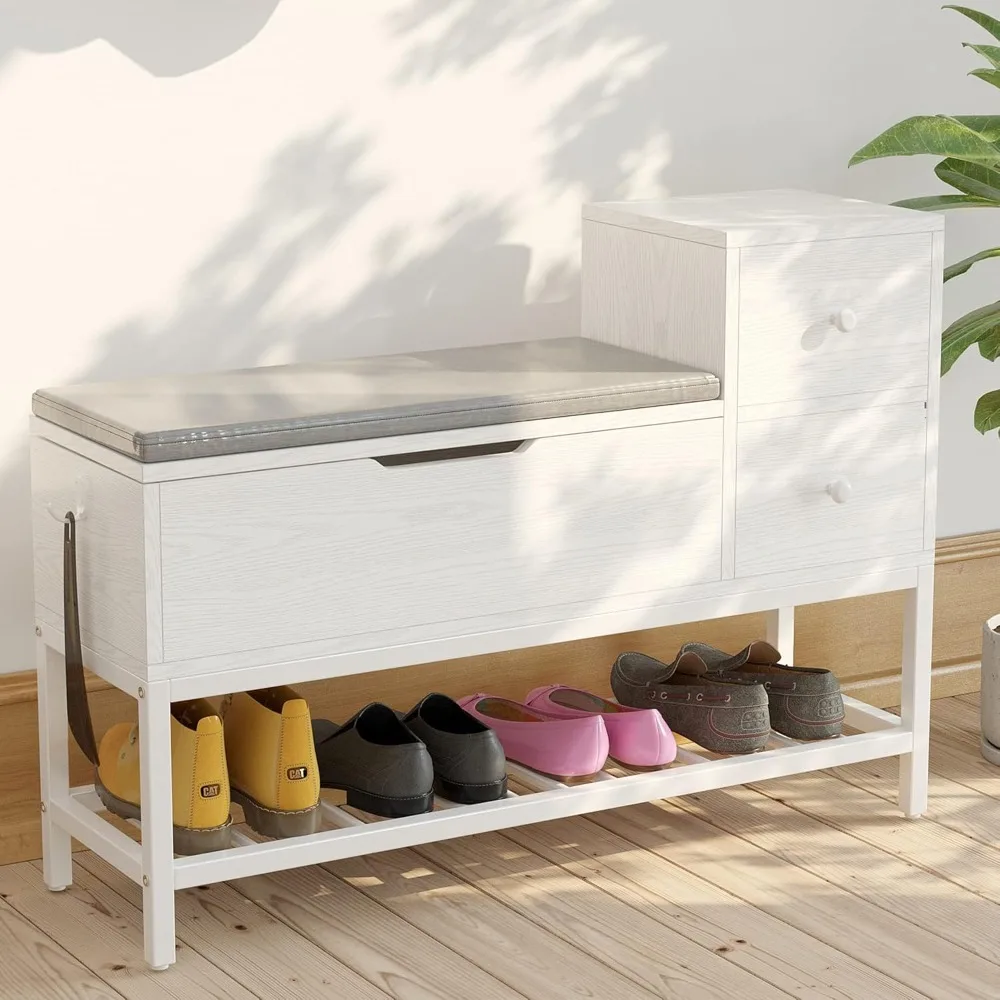
For households with children, pets, or heavy use, wood entryway benches with solid construction offer the best long-term value. Look for corner-blocked joints, screwed (not stapled) connections, and reinforced stress points at hooks and bench supports.
Weight capacity varies significantly between materials and construction methods. Budget-friendly options typically support 200-250 pounds on bench surfaces, while premium solid wood or metal-reinforced designs may accommodate 350-500 pounds—an important consideration for households with multiple users or where the bench might serve as overflow seating.
Moisture resistance becomes particularly important for entryway furniture that encounters wet shoes, umbrellas, and outerwear. Look for sealed finishes on wood surfaces, water-resistant cushion covers, and design features like slatted shoe shelves that allow air circulation.
Assembly and Installation Factors
The perfect hall tree on paper can become a frustration if assembly exceeds your skills or tools:
- Assembly complexity: Ranges from simple 20-minute tasks to multi-hour projects
- Tool requirements: Most require basic tools (screwdriver, hammer), but some need power tools
- Weight considerations: Solid wood pieces often require two-person assembly due to component weight
- Stability factors: Taller units may require wall anchoring for safety, particularly in homes with children
Most manufacturers provide assembly time estimates and tool requirements in product descriptions. For particularly complex pieces or those requiring wall mounting, professional assembly services offer peace of mind and proper installation.
Safety considerations should not be overlooked, especially for households with children. Top-heavy designs or those exceeding 48 inches in height generally benefit from wall anchoring to prevent tipping, regardless of whether this is listed as “optional” in assembly instructions.
Pro Tips: Maximizing Organization with Your Hall Tree Bench
Once you’ve selected the perfect hall tree bench, strategic organization techniques will maximize its effectiveness in creating an orderly entryway:
Implement the “one in, one out” rule: For every new coat or pair of shoes that comes into rotation, remove one to prevent overcrowding your storage.
Use containerization: Place small baskets in cubbies to contain similar items—one for gloves, one for hats, one for pet accessories—making retrieval simple and preventing visual clutter.
Create zones by family member: Assign specific hooks and cubbies to each household member, using color-coding or labels for younger children who are developing organizational habits.
Establish a seasonal rotation system: Store off-season items elsewhere to free up prime entryway space for currently needed accessories.
Implement a “landing pad”: Designate a specific spot (a small tray or dish) for items that need to leave with you—keys, wallets, transit cards—to prevent frantic morning searches.
Maintain regular reset periods: Schedule weekly quick cleanups to return items to their proper homes and prevent organizational drift.
Space-saving entry benches for small homes benefit particularly from vertical organization strategies. Use the often-neglected upper areas of hall trees for stylish baskets containing seasonal or rarely used items, keeping daily essentials at easy-reach levels.
For families, creating a system that children can maintain independently encourages responsibility and reduces parent workload. Hooks at appropriate heights, simple labeled storage, and clear expectations about where items belong build habits that benefit children well beyond the entryway.
The complete guide to choosing compact benches emphasizes that maintenance routines are as important as initial organization. Even the most thoughtfully designed storage system requires occasional resets and seasonal adaptations to remain functional over time.
Finding Your Perfect Match: Where to Shop for Hall Tree Benches
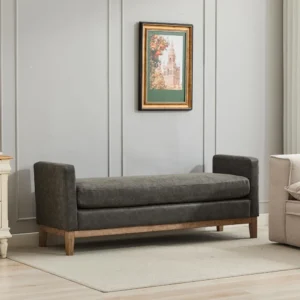

Entryway Bench with Cushion, Mudroom Bench with Cushion, Shoe Bench for Entryway
$1,186.63 Select options This product has multiple variants. The options may be chosen on the product page
Coat Rack Shoe Bench, Corner Entryway Bench, Corner Hall Tree, Shoe Bench for Entryway
$313.58 Select options This product has multiple variants. The options may be chosen on the product page
Entryway Bench with Back, Modern Entryway Bench, Shoe Bench for Entryway
Price range: $463.13 through $474.44 Select options This product has multiple variants. The options may be chosen on the product page
Shoe Storage Bench for Entryway
$459.02 Select options This product has multiple variants. The options may be chosen on the product page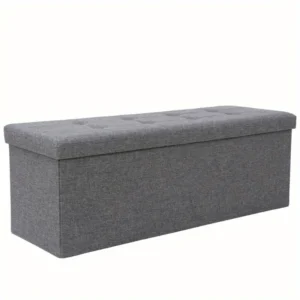
Entryway Bench with Shelf Storage, Shoe Bench for Entryway, Shoe Storage Bench
$194.08 Select options This product has multiple variants. The options may be chosen on the product page
Corner Entryway Bench, Entryway Bench with Cushion, Modern Entryway Bench, Shoe Bench for Entryway
$476.34 Select options This product has multiple variants. The options may be chosen on the product page
The search for your ideal hall tree bench can take several paths, each with distinct advantages:
Furniture Retailers and Home Stores
* Offer the advantage of seeing and testing pieces in person
* Typically stock moderate to higher-end options with better construction
* Often provide delivery and sometimes assembly services
* Allow you to evaluate finish colors accurately (important for matching existing decor)
Home Improvement Centers
* Feature practical, durability-focused designs at moderate price points
* Typically offer good selection of farmhouse and traditional styles
* May have stock immediately available for same-day pickup
* Often provide standardized dimensions that work in typical homes
Online Marketplaces
* Offer the widest selection across all style categories
* Provide detailed specifications and customer reviews
* Feature competitive pricing and regular sales
* Often include specialized designs for unique spaces or needs
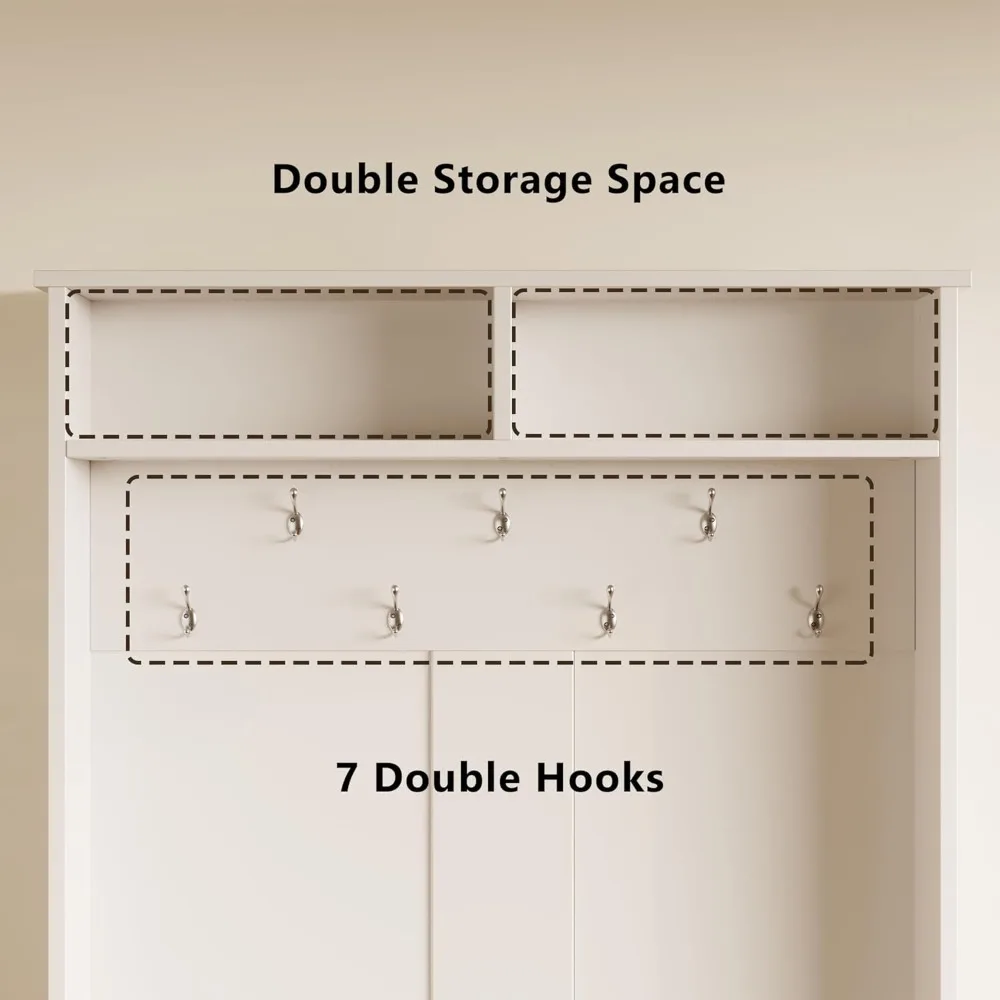
When shopping online, pay special attention to dimensions, materials, and assembly requirements. Look for listings with multiple images showing different angles and close-ups of key features like hooks, hinges, and storage compartments. Customer reviews often provide valuable insights into durability and ease of assembly not mentioned in product descriptions.
Budget expectations vary significantly across materials and construction quality. Simple hall tree benches with basic features typically range from $150-300, while solid wood construction with premium features can range from $400-800. Specialized designs with custom dimensions or features may exceed $1,000 depending on materials and craftsmanship.
For budget-conscious shoppers, affordable entryway bench solutions are still attainable without compromising essential quality. Look for sales cycles (typically January and July), floor models, or simplified designs that maintain key organizational features while minimizing decorative elements.
Those with space constraints should explore space-saving entryway seating solutions designed specifically for compact areas. These specialized pieces often incorporate clever design elements like folding components, wall-mounted systems that eliminate floor footprints, or multipurpose features that maximize functionality in minimal space.
Transforming Your Entryway: The Impact of the Right Hall Tree Bench
The journey to selecting the perfect hall tree bench culminates in a transformation that extends beyond simple organization. When thoughtfully chosen and implemented, these pieces fundamentally change both the function and feeling of your home’s entrance.
The right hall tree bench creates a natural transition point between outside and inside—a designated space where the chaos of the external world is systematically organized before entering your home’s sanctuary. This physical boundary becomes a psychological one as well, helping family members mentally transition from public to private space.
Beyond organization, your selected piece makes a style statement about your home and values. Whether you’ve chosen the warm welcome of farmhouse design, the sleek efficiency of modern styles, or the textural interest of bohemian approaches, your hall tree bench communicates your priorities and aesthetic sensibilities to everyone who enters.
For successful selection, consider this simplified decision framework:
- Match your primary storage needs to the style that naturally excels at those solutions
- Choose materials appropriate to your household’s activity level and maintenance preferences
- Select dimensions that work harmoniously with your available space
- Balance aesthetic desires with practical organizational requirements
Perhaps most importantly, entry benches with built-in hooks transform the daily experience of coming home. Rather than entering to disorder that must be addressed, your organized entryway creates an immediate sense of calm and control—a small but significant improvement that ripples through the rest of your home experience.
The perfect hall tree bench doesn’t just store your belongings; it welcomes you home with order, intention, and style—transforming one of your home’s hardest-working spaces into one of its most satisfying.