
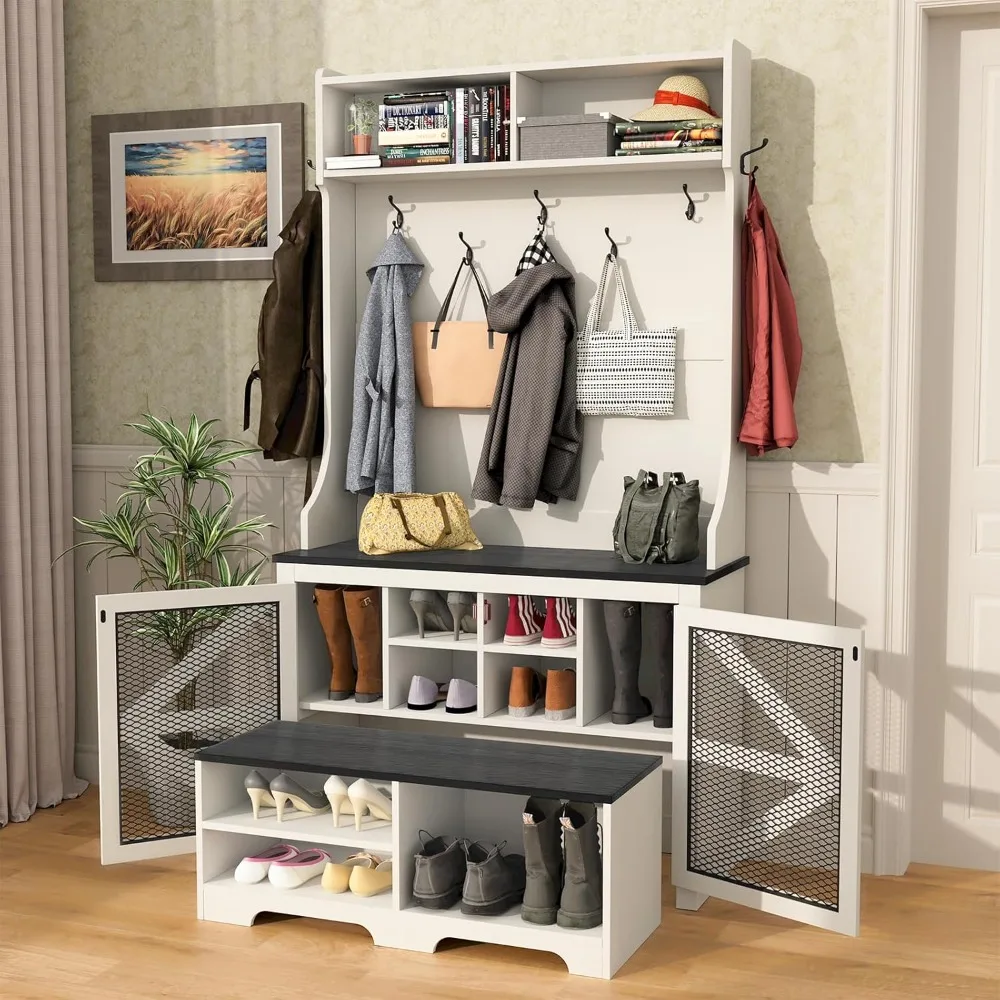
Understanding the Value of Efficient Mudroom Seating
Efficient mudroom seating combines multiple functions in a single piece of furniture—offering a place to sit while providing storage, saving space, maintaining organization, and withstanding daily wear and tear. This thoughtful design approach transforms more than just your entryway; it revolutionizes your entire household routine.
The impact of well-designed mudroom seating extends far beyond aesthetics. Imagine the typical weekday morning scramble: kids searching for backpacks, adults hunting for keys, and everyone tripping over scattered shoes. Now contrast that with a morning where everything has a designated place around your seating area—shoes in cubbies, bags on hooks, and essentials in drawers. The difference is remarkable, with families reporting saving an average of 15-20 minutes during morning routines when using properly organized entryway systems.
Thoughtfully designed mudroom seating solves several persistent household problems. It reduces clutter by providing specific storage spots for everyday items, creates smoother transitions between outdoors and indoors, and ensures proper storage for seasonal items like winter boots or sports equipment.
Planning efficient mudroom seating involves careful consideration of your space dimensions, family needs, material selection, and storage requirements—all topics we’ll explore in depth throughout this article. The investment in well-designed space-saving entryway benches pays dividends in daily convenience and organization for years to come.
Assessing Your Needs and Space Requirements
Before selecting any furniture or drawing up plans, take time to evaluate how your family will use the mudroom seating area. This foundational step ensures your design truly serves your specific requirements.
Start by asking yourself these key assessment questions:
- How many family members will regularly use this space?
- What age groups need to be accommodated (adults, teens, small children)?
- What items does each person typically bring in and out of the house daily?
- What seasonal items need storage near the entryway?
- Are there pets whose supplies need accommodation?
Understanding storage requirements is equally important. Consider:
- How many pairs of shoes per person need accessible storage?
- Do you need storage for backpacks, purses, work bags, or sports equipment?
- What small items (keys, sunglasses, dog leashes) require accessible spots?
- Do you need weather protection for umbrellas or wet boots?
Accurate space measurement forms the backbone of successful design. Record:
* Available width along walls (in inches/centimeters)
* Depth you can extend into the room without obstructing passage (ideal minimum: 36 inches/91 cm for walkways)
* Ceiling height if considering vertical storage
* Door swing radius and clearance needs
* Window locations and heights
Creating a simple sketch with these measurements provides a visual reference as you plan. Your mudroom may be small, but with proper organization techniques, even compact spaces can be transformed into highly functional areas. Considering organizing strategies for small entryway benches can help maximize limited square footage while meeting your family’s daily needs.
Essential Bench Dimensions for Comfort and Function
Creating truly efficient mudroom seating begins with getting the basic dimensions right. Proper proportions ensure comfortable use, proper posture, and functionality for all family members.
Optimal Seat Height
* Adults: 18-20 inches (45-51 cm)
* Children: 14-16 inches (35-40 cm)
* Compromise height for mixed-age families: 17-18 inches (43-46 cm)
A bench that’s too high causes uncomfortable dangling feet, while one that’s too low creates awkward rising motion and poor posture when putting on shoes.
Ideal Seat Depth
* Minimum comfortable depth: 15 inches (38 cm)
* Optimal depth for shoe changing: 16-18 inches (40-46 cm)
* Maximum depth before becoming inefficient: 20 inches (51 cm)
Sufficient depth allows users to sit fully on the bench without feeling precariously perched on the edge, particularly important when balancing to put on shoes.
Width Considerations
* Minimum per person: 24 inches (61 cm)
* Comfortable single-person width: 30 inches (76 cm)
* Two-person bench: 48-60 inches (122-152 cm)
Remember to leave adequate clearance around your seating:
* Minimum front clearance: 24 inches (61 cm)
* Ideal front clearance for comfort: 30+ inches (76+ cm)
* Side clearance if next to walls: 3+ inches (8+ cm)
Ergonomic principles should guide your design decisions. Consider the natural movements of sitting and standing, particularly while handling items or managing children. The perfect entryway bench height can significantly impact comfort and usability, making this dimension perhaps the most critical measurement in your design plan.
Built-In Benches: Custom Storage Maximizers
Built-in benches represent the pinnacle of mudroom efficiency, offering seamless integration with your home’s architecture while maximizing every available inch of storage space. These custom solutions transform ordinary walls into organizational powerhouses.
Advantages of Built-In Seating:
* Utilizes otherwise wasted space, including awkward corners and niches
* Creates a cohesive, intentional look that increases home value
* Offers customized storage configurations tailored to your specific needs
* Provides stability and permanence ideal for high-traffic areas
When designing built-ins, consider these storage configuration options:
* Open cubbies: Provide instant accessibility but require discipline to maintain organization
* Closed cabinets: Hide visual clutter but add an extra step when accessing items
* Drawers: Ideal for smaller items that tend to get lost in larger spaces
* Lift-top bench seats: Create deep storage for seasonal or less frequently used items
* Combination approaches: Often most effective for diverse storage needs
Corner and L-shaped configurations deserve special attention, as they maximize otherwise awkward spaces. These designs can wrap around room corners, creating continuous seating and storage that feels both cozy and efficient.
From a cost perspective, built-ins typically represent a higher initial investment compared to standalone furniture—ranging from $500 for basic DIY materials to $2000+ for professional custom installations. However, their space efficiency, durability, and potential to increase home value often justify this investment over time.
Consider exploring mudroom bench options with integrated cubbies for inspiration on how these built-in designs can transform your space with customized storage solutions.
Standalone and Floating Bench Solutions
For those seeking flexibility or renting their homes, standalone and floating bench solutions offer compelling alternatives to built-ins without sacrificing efficiency.
Standalone benches provide several distinct advantages:
* Mobility allows for reconfiguration as needs change
* Wide variety of styles, sizes, and price points available
* Potential cost savings compared to custom built-ins
* Opportunity to take the piece with you when moving
Floating benches—those mounted directly to wall studs without legs—offer a different set of benefits:
* Create a modern, visually lightweight appearance
* Allow for easier floor cleaning underneath
* Enhance the perception of space in smaller rooms
* Provide the built-in look without full construction costs
When considering floating installations, weight capacity becomes a critical consideration. Standard floating benches properly mounted to wall studs typically support 300-500 pounds when installed correctly. This requires:
* Mounting to wall studs (not just drywall)
* Using appropriate heavy-duty brackets
* Following manufacturer weight guidelines
* Considering additional center support for benches over 48 inches (122 cm)
Pairing standalone or floating benches with complementary wall storage creates a cohesive system. Consider:
* Wall-mounted hook systems installed at 5-6 feet (152-183 cm) height
* Floating shelves positioned 12-15 inches (30-38 cm) above the bench
* Grid systems that allow for customizable hook and shelf placement
For ready-made options, explore our selection of versatile mudroom benches that can be paired with additional storage elements to create a complete system that fits your specific space and needs.
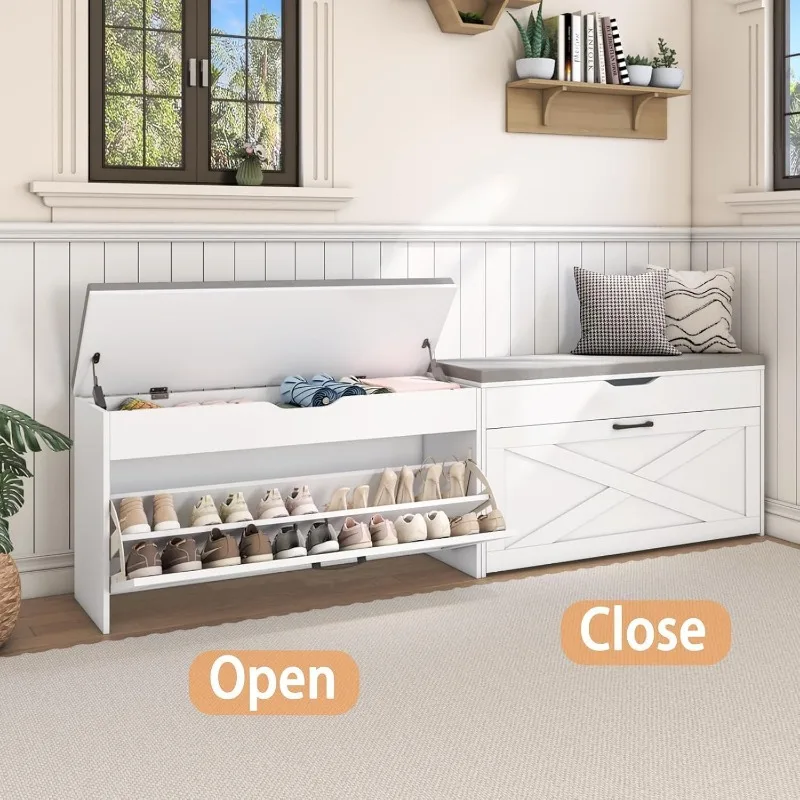
Integrating Complete Storage Systems with Seating
Creating a truly efficient mudroom requires thinking beyond the bench itself to develop a comprehensive storage system that addresses all your entryway organization needs.
Hall tree combinations represent one of the most space-efficient solutions, integrating:
* Bench seating with shoe storage below
* Vertical coat hooks or hanging rods
* Upper shelving or cabinets
* Sometimes mirrors or message centers
Creating designated storage zones around your seating maximizes functionality:
* Low Zone (0-24 inches/0-61 cm): Shoe storage, boot trays, pet supplies
* Mid Zone (24-48 inches/61-122 cm): Bench seating, hooks for children, everyday bags
* High Zone (48-72+ inches/122-183+ cm): Adult coat hooks, seasonal storage, less frequently used items
Vertical space utilization becomes particularly important in smaller mudrooms. Consider:
* Floor-to-ceiling cabinetry flanking bench seating
* Stacked storage cubes or modular systems
* Wall-mounted organizers for small items
* Pegboard or slat wall systems for adjustable storage
For flexible seating arrangements, consider multi-purpose ottomans and storage cubes that can:
* Provide additional seating when needed
* Tuck away under benches when not in use
* Offer hidden storage for smaller items
* Move throughout the home as needed
Our selection of hall trees and coat rack benches offers integrated solutions that combine multiple storage functions with comfortable seating, creating complete organization systems in a single furniture piece.
Selecting Durable Materials for High-Traffic Use
The materials you choose for mudroom seating dramatically impact both its longevity and maintenance requirements. This high-traffic, potentially damp area demands particularly durable options.
Seating Surface Materials
| Material | Durability | Moisture Resistance | Maintenance | Cost |
|---|---|---|---|---|
| Solid Hardwood | High | Moderate with proper finish | Periodic refinishing | High |
| Engineered Wood | Medium-High | Good with proper sealing | Simple cleaning | Medium |
| Laminate | Medium | Very Good | Easy wipe-clean | Low-Medium |
| Metal | Very High | Excellent | Simple cleaning | Medium-High |
| Plastic/Composite | High | Excellent | Effortless | Medium |
For frame construction, consider these important factors:
* Solid wood frames offer excellent durability but require proper joinery
* Metal frames provide superior strength for heavy use
* Reinforced corners prevent wobbling and eventual structural failure
* Proper fasteners prevent loosening from repeated use
If incorporating upholstery, prioritize performance fabrics with these characteristics:
* Stain resistance (look for ratings of 4+ on a 5-point scale)
* Water/moisture repellency
* Colorfastness to prevent fading
* Minimum 15,000+ double rubs on the Wyzenbeek abrasion test
* Removable, washable covers when possible
Hardware selection often gets overlooked but remains crucial for mudroom furniture that experiences daily use:
* Soft-close hinges prevent slamming and extend cabinet life
* Full-extension drawer glides allow complete access to contents
* Heavy-duty hooks prevent pulling from wall under coat weight
* Rust-resistant finishes for all metal components
Finish types significantly impact maintenance needs:
* Polyurethane provides excellent water resistance
* Wax finishes offer natural appearance but require periodic reapplication
* Paint with primer creates a durable, customizable surface
* Catalyzed lacquer offers professional-grade protection
Browse our collection of durable wood mudroom benches featuring quality construction and finishes specifically selected to withstand the demands of busy entryways.
Space-Maximizing Strategies for Small Mudrooms
Limited square footage doesn’t have to mean limited functionality. With strategic design choices, even the smallest mudrooms can deliver exceptional organization.
Slim-Profile Solutions:
* Narrow benches (12-14 inches/30-36 cm deep) can fit in tight hallways
* Wall-mounted flip-down seats provide seating only when needed
* Corner benches utilize often-wasted corner spaces
* Nesting furniture can expand when needed and contract when not in use
Vertical Storage Integration:
* Stack storage from floor to ceiling around seating
* Use the full height above benches for hooks at staggered heights
* Install overhead cabinets for seasonal or less-used items
* Consider ceiling-mounted racks for long-term storage
Corner Utilization Strategies:
* L-shaped corner benches maximize seating and storage
* Corner shelving units add storage without protruding into walkways
* Angled hooks in corners create additional hanging spots
* Custom corner cubbies prevent wasted space
Multi-Functional Approaches:
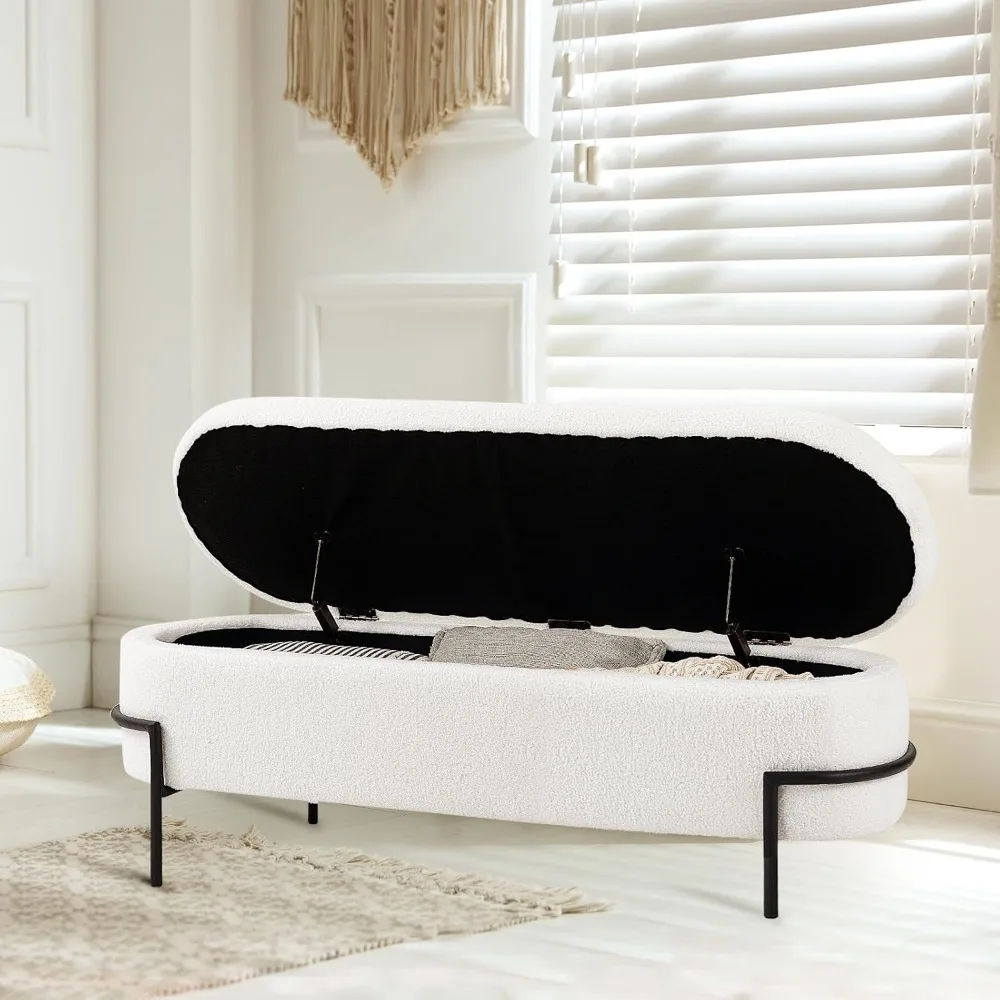
* Storage ottomans double as both seating and storage
* Bench tops that flip up to reveal internal storage
* Mirror-backed hook panels serve dual purposes
* Seating with built-in charging stations for electronics
Visual Space-Enhancing Techniques:
* Light colors create the perception of more space
* Mirrors expand visual space and check appearances
* Consistent materials reduce visual clutter
* Floating furniture creates the illusion of more floor space
For more detailed guidance on maximizing limited entryway areas, explore our collection of space-saving entryway ideas that can transform even the most compact mudrooms into highly functional spaces.
Aesthetic Enhancement and Personal Touch
Efficient mudroom seating doesn’t have to sacrifice style for function. Thoughtful aesthetic choices create spaces that not only organize your home but also welcome you to it.
Begin by aligning your mudroom seating with your home’s overall design language. Consider:
* Traditional homes pair well with classic bench styles featuring turned legs or beadboard details
* Modern homes benefit from clean lines, minimal ornamentation, and contemporary materials
* Farmhouse styles embrace natural wood tones, vintage-inspired hardware, and slightly distressed finishes
* Transitional designs blend elements from multiple styles for timeless appeal
Color and finish selections significantly impact both appearance and maintenance:
* Light colors visually expand small spaces but may show dirt more readily
* Dark tones create drama and hide some wear but can make tight spaces feel smaller
* Natural wood tones bring warmth and hide minor scuffs
* Bold accent colors on bench cushions or walls create visual interest while keeping major pieces neutral
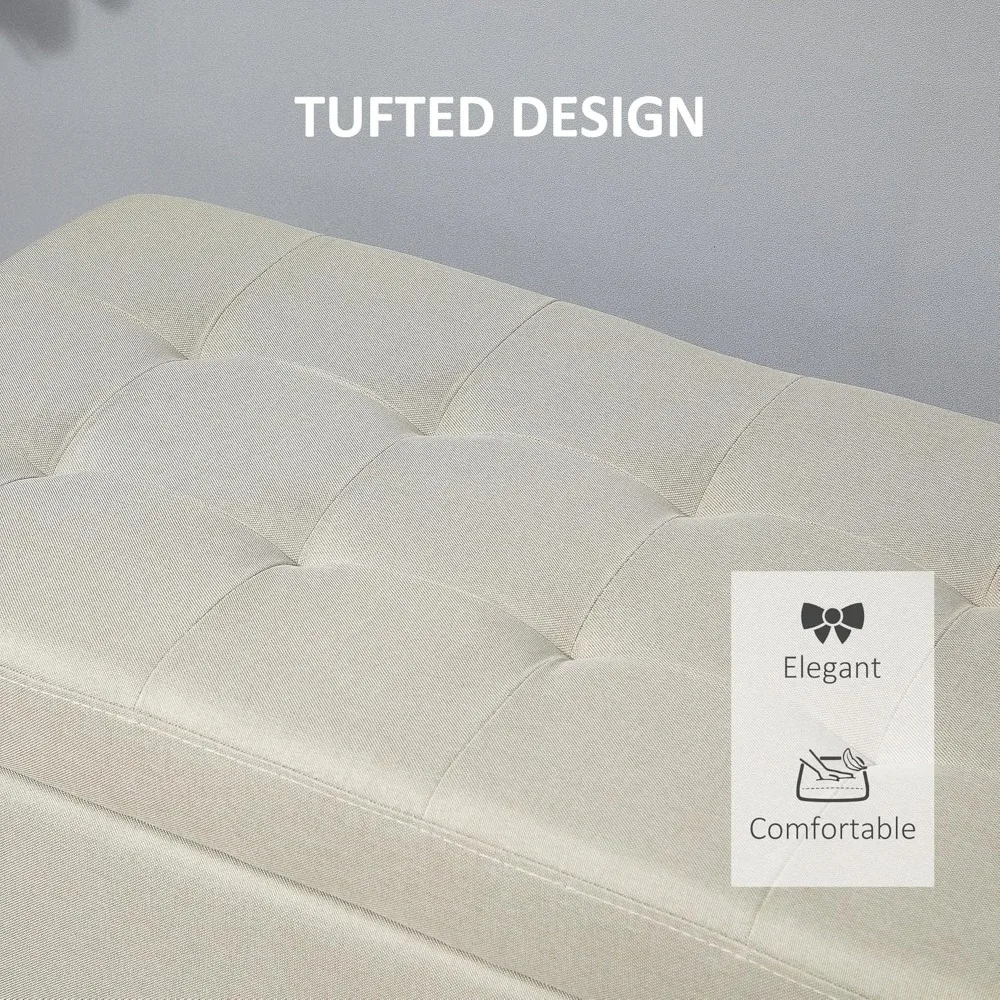
Add comfort through carefully selected textiles:
* Indoor/outdoor fabrics offer superior stain and moisture resistance
* Removable, washable bench cushion covers simplify maintenance
* Performance fabrics like Sunbrella or Crypton withstand heavy use
* Seasonal pillow rotations refresh the space throughout the year
Lighting transforms both functionality and ambiance:
* Task lighting directly above seating assists with finding items
* Under-bench toe kick lighting improves visibility and adds sophistication
* Motion-sensor lights facilitate nighttime entry
* Decorative sconces or pendants add personality while providing illumination
For inspiration on creating aesthetically pleasing organization in compact spaces, explore our guide to planning the perfect tiny mudroom that balances form and function.

Entryway Bench with Cushion, Mudroom Bench with Cushion, Shoe Bench for Entryway
$1,186.63 Select options This product has multiple variants. The options may be chosen on the product page
Coat Rack Shoe Bench, Corner Entryway Bench, Corner Hall Tree, Shoe Bench for Entryway
$313.58 Select options This product has multiple variants. The options may be chosen on the product page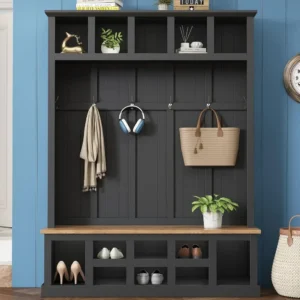
Bench with Hooks and Storage, Entryway Hall Tree, Mudroom Bench with Cubbies, Mudroom Bench with Shoe Storage
$818.38 Select options This product has multiple variants. The options may be chosen on the product page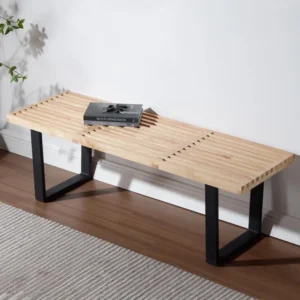
Modern Entryway Bench, Wood Entryway Bench, Wood Mudroom Bench
$497.69 Select options This product has multiple variants. The options may be chosen on the product page
Entryway Coat Rack Bench, Entryway Hall Tree, Farmhouse Mudroom Bench, Mudroom Bench with Shoe Storage
$805.09 Select options This product has multiple variants. The options may be chosen on the product page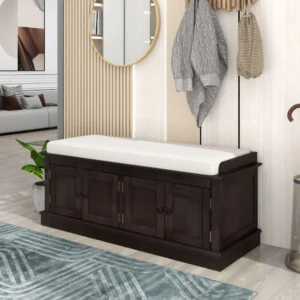
Entryway Bench with Cushion, Mudroom Bench with Cabinets, Shoe Bench for Entryway, Shoe Bench with Cushion
$991.71 Select options This product has multiple variants. The options may be chosen on the product page
DIY vs. Professional Installation Considerations
Deciding between DIY construction and professional installation for your mudroom seating depends on several factors including your skill level, available tools, budget, and project complexity.
DIY Skill Assessment:
* Beginner: Simple standalone bench assembly or basic wall-mounted shelf-and-hook systems
* Intermediate: Custom bench construction from plans or floating bench installation
* Advanced: Built-in cabinetry with integrated seating and custom storage solutions
Basic Tools Required for DIY Projects:
* Measuring and marking tools (tape measure, level, stud finder)
* Cutting tools (circular saw, miter saw)
* Assembly tools (drill/driver, screwdriver set, hammer)
* Finishing tools (sander, painting supplies)
Professional installation becomes particularly valuable when:
* Projects involve electrical work for lighting or charging stations
* Custom built-ins require precise measurements and permanent installation
* Projects modify home structure (removing walls, changing doorways)
* Time constraints make DIY impractical
* Specialty materials require expert handling
Cost Comparison:
* DIY materials for basic bench: $100-$400
* DIY materials for built-in system: $400-$1,200
* Professional custom installation: $1,000-$3,000+
The investment value differs as well—professionally installed built-ins generally add more home value, but well-executed DIY projects can deliver excellent returns on investment while keeping costs lower.
For more information about budgeting expectations and cost factors, visit our guide on understanding mud bench costs before beginning your project.
Maintenance for Longevity and Continued Efficiency
Even the most thoughtfully designed mudroom seating requires proper maintenance to remain functional and attractive over time. Establishing simple care routines preserves both appearance and functionality.
Material-Specific Cleaning Guidelines:
* Solid wood: Dust regularly, clean with appropriate wood cleaner quarterly
* Laminate/engineered surfaces: Wipe with damp cloth and mild detergent as needed
* Upholstery: Vacuum weekly, treat spills immediately, deep clean seasonally
* Metal components: Wipe clean and check for rust or corrosion monthly
Hardware Maintenance:
* Tighten loose screws and bolts every 3-6 months
* Lubricate hinges and drawer slides annually
* Check wall-mounted components for secure attachment quarterly
* Replace damaged hardware promptly to prevent further issues
Seasonal Organization Strategies:
* Rotate seasonal items to keep current needs accessible
* Deep clean storage areas during seasonal transitions
* Reassess storage needs annually and adjust systems accordingly
* Remove and launder cushions and textiles quarterly
Surface Protection Techniques:
* Use boot trays under wet footwear
* Apply furniture wax to wood surfaces annually
* Consider washable rugs in high-traffic areas
* Refinish or touch up worn areas before damage progresses
Recognizing early warning signs—wobbling benches, sticking drawers, or sagging shelves—allows you to address minor issues before they require major repairs, extending the life of your mudroom furniture significantly.
Common Mudroom Seating Design Mistakes to Avoid
Even the most careful planning can sometimes overlook critical details. Being aware of these common design pitfalls helps ensure your mudroom seating truly delivers on its efficiency promise.
Insufficient Storage Planning
* Underestimating shoe volume needed per person
* Failing to include storage for seasonal items
* Overlooking small-item storage for keys, phones, and mail
* Not planning for future needs as family situations change
Dimensional and Ergonomic Errors
* Benches too high or too low for comfortable use
* Inadequate walkway clearance (minimum 36 inches/91 cm needed)
* Hooks installed at unreachable heights for primary users
* Insufficient knee clearance when sitting to remove shoes
Material Mismatches
* Choosing porous materials that can’t withstand moisture
* Selecting light fabrics in high-soil areas
* Using hardware that can’t support the weight of coats and bags
* Installing flooring that becomes slippery when wet
Traffic Flow Obstructions
* Placing seating where it blocks door swings
* Creating bottlenecks at high-traffic transition points
* Positioning storage that requires people to move around others
* Failing to accommodate multiple users during rush times
Lighting Oversights
* Insufficient illumination for finding items in storage
* Shadows cast over key functional areas
* No consideration for nighttime entry needs
* Missing task lighting for checking appearances
Inflexibility Issues
* Designs that can’t adapt to changing seasonal needs
* Fixed configurations that don’t accommodate growing children
* Permanent installations that can’t evolve with family changes
* No accommodation for visitors’ belongings
For practical solutions to overcome storage challenges, particularly regarding footwear organization, browse our selection of mudroom benches with integrated shoe storage designed to address these common concerns.
Creating Your Perfect Mudroom Seating Solution
Designing efficient mudroom seating transforms more than just your entryway—it revolutionizes your daily routines and home organization. Throughout this guide, we’ve explored the key elements that contribute to truly functional designs: proper dimensions, integrated storage, durable materials, and thoughtful maintenance.
The most successful mudroom seating solutions strike that perfect balance between form and function. They provide comfortable places to sit while offering abundant storage, withstanding daily wear while complementing your home’s aesthetic, and maximizing every available inch while maintaining visual appeal. This harmonious balance ensures your investment delivers value for years to come.
Begin your project with careful planning—measure accurately, assess your family’s specific needs, and consider both current and future requirements. Whether you choose a built-in system, standalone bench, or space-saving floating design, prioritize quality materials and construction methods appropriate for this hard-working area of your home.
Remember that even small mudroom spaces can deliver remarkable organization when thoughtfully designed. By implementing the principles discussed in this guide, you’ll create an efficient entryway that welcomes you home while keeping chaos at bay—truly the ultimate organization solution for any home.